
Lyme Disease & Tick-Borne Co-infections
What is Lyme Disease?
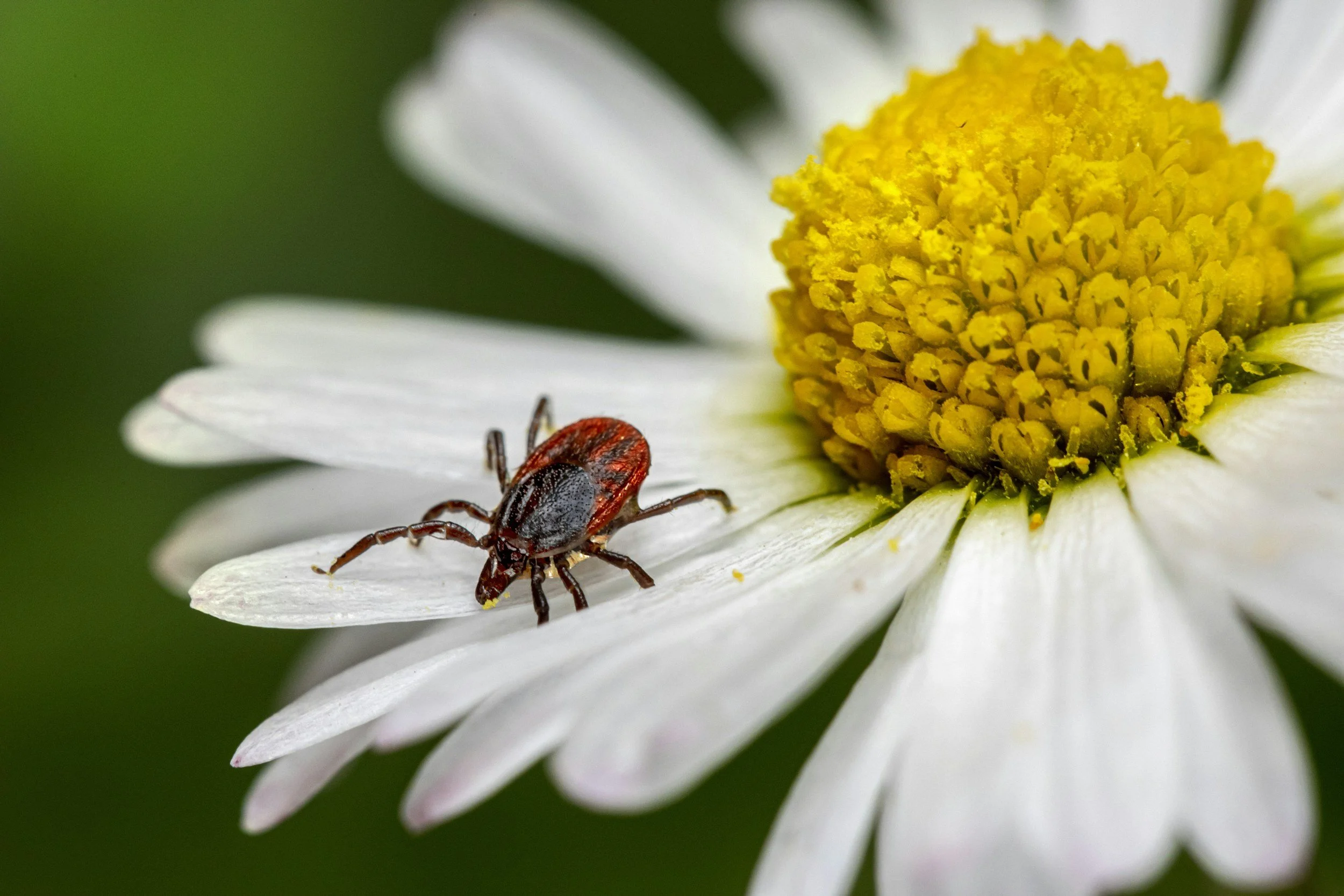
Lyme disease is a complex infection caused by Borrelia Burgdorferi and most commonly transmitted by deer ticks. Other organisms, like fleas, can also carry B. Burgdorferi. It is becoming more common for infected ticks or fleas to also carry other co-infections, such as: Babesia, Bartonella, Erlichiosis, Anaplasma and/or Rickettsia.
Symptomatic presentation can look different for everyone, and sometimes patients never see the tick that bit them.
There are areas with the United States where it is becoming more common for ticks to carry Lyme disease and/or co-infections.
New Hampshire and New England
Northern California
Midwestern United States
Despite Negative Test Results, You Still Have Symptoms of Lyme disease
Shortness of breath
Air hunger
Chest pain
Irregular heartbeat
Quick muscle fatigue
Muscle pain
Bone pain
Migrating joint pain
Joint swelling
Loss of sensation in arms and feet
Tingling or burning sensation
Worsening digestive symptoms (diarrhea or constipation)
Nausea
symptoms of MCAS
symptoms of POTS
symptoms of mold biotoxin illness (CIRS)
You were already treated following the CDC guidelines, but your symptoms persist.
The CDC recommends antibiotic treatment for 14 days. Research has shown this is not an effective amount of treatment time in many patients.
You were not treated because the standard conventional testing came back negative, what do you do now?
Conventional testing only measures your immune system response (creation of IgG and IgM antibodies) against one species of Borrelia. There are multiple species of Borrelia as well as common co-infections including: Bartonella, Babesia, Erhlicosis, Anaplasma and Rickettsia. These co-infections commonly infect ticks and fleas that the same time, and therefore a bite may include more than one species of bacteria or parasite.
Conventional testing can fall short in a few different ways:
If tested too early, IgG and IgM may not be produced in adequate amounts to be picked up on the blood test
You may have been infected by a different species, one that is not Borrelia Burgdorferi
Testing is not perfect, and there are different types of tests. Conventional testing assesses for only the presence of your immune reaction to the presence of an infection (IgG and IgM) but does not look for presence of specific DNA or RNA strands
Depending on your insurance plan coverage, they may not cover this test, especially if you do not have an accompanying Bull’s Eye Rash.
A Bull’s Eye Rash (erythema migrans) is a key clinical indicator for Lyme Disease, but does not always appear or present in a classic manner.
Depending on your area, your doctor may not think it is Lyme disease. New England and New Hampshire are the most common areas to find infected ticks and fleas. Areas like California and Colorado, where ticks are not as expected as in New Hampshire, conventional testing may be delayed.
If you are still experiencing symptoms, you need better testing options.
There are speciality lab companies that test for Lyme disease and co-infections in multiple ways (example: Immunofluorescent assay, PCR, and Immunoblot). These testing methods can be significantly more accurate. Especially in cases where Lyme Disease was not previously treated effectively or at all.
You have tested positive for Lyme disease or a co-infection, now what?
Well studied treatments can consist of antibiotics, herbals and intravenous therapy.
It is very important to find a Lyme Literate Doctor who understands not only the nuances of the complex infections, but also the challenges that can accompany treatment, insurance coverage, social stigma, impact to mental & emotional health, stress and trauma that commonly accompany the infection(s). Lyme Literate doctors have additional training, and are able to support you throughout treatment and adapt based on how your individual body is reacting to treatment.
Maple Health & Wellness Clinic believes it is very important to personalize a treatment plan around you and your lifestyle - not a protocol that we set and forget.
What does Lyme disease and co-infection treatment progress look like?
Realistically, treatments can take upwards of 8-12 months depending on severity of symptoms, reaction and responsiveness to treatments and how soon after an initial infection you begin to treat. In addition, if there are additional concerns, such as mitochondrial dysfunction, mold biotoxin illness, long COVID or Epstein Barr virus - this may extend treatment needs and duration. We believe it is very important to discuss all treatment options available when building an effective treatment plan.
What can you expect when working with Dr Hall, ND
Dr Cynthia Hall is a naturopathic doctor in California, Colorado and New Hampshire. She is passionate about treating women with complex conditions. She has extra training with respect to Lyme disease from ILADS (International Lyme and Associated Diseases Society).
Her 75 minute Initial Consultations are structured to optimize the time available for you to share your whole story, to discuss symptoms in a robust manner, decide on most valuable testing, and make a plan you can get started with right away.
Dr Hall believes in the partnership needed for effective long term healing. She recommends followups every 4-6 weeks for the initial treatment phase. She is available for telehealth appointments and combines antibiotics and herbal treatments based on your symptoms, and a discuss about what is best for you.
Schedule Your Consultation Here
Common Symptoms of Lyme Disease & Other Tick-Borne Co-Infections
Brain fog
Extreme fatigue not resolved by sleep
Headaches
Poor Sleep
Restless Sleep
Mood changes and volatility
New symptoms of anxiety, panic worrying depression or low mood
Night sweats
Feverish
Dizziness and Vertigo
Ringing in the Ears
Floaters in the vision
Optic nerve pain
Creepy crawly sensation on the skin
Unexplained rashes
Daytime sweats
Smell intolerance